 by
by Back to school season is here! Gaming clubs are reopening their doors, bringing in plenty of new faces. So, what better time to run a few demo games of your favorite tabletop system? Unfortunately, many of us aren’t quite sure how to tackle teaching a game. Don’t worry! You don’t need to be a master educator. Here are a few tips to help you recruit your very own gaming group.
The Board Setup
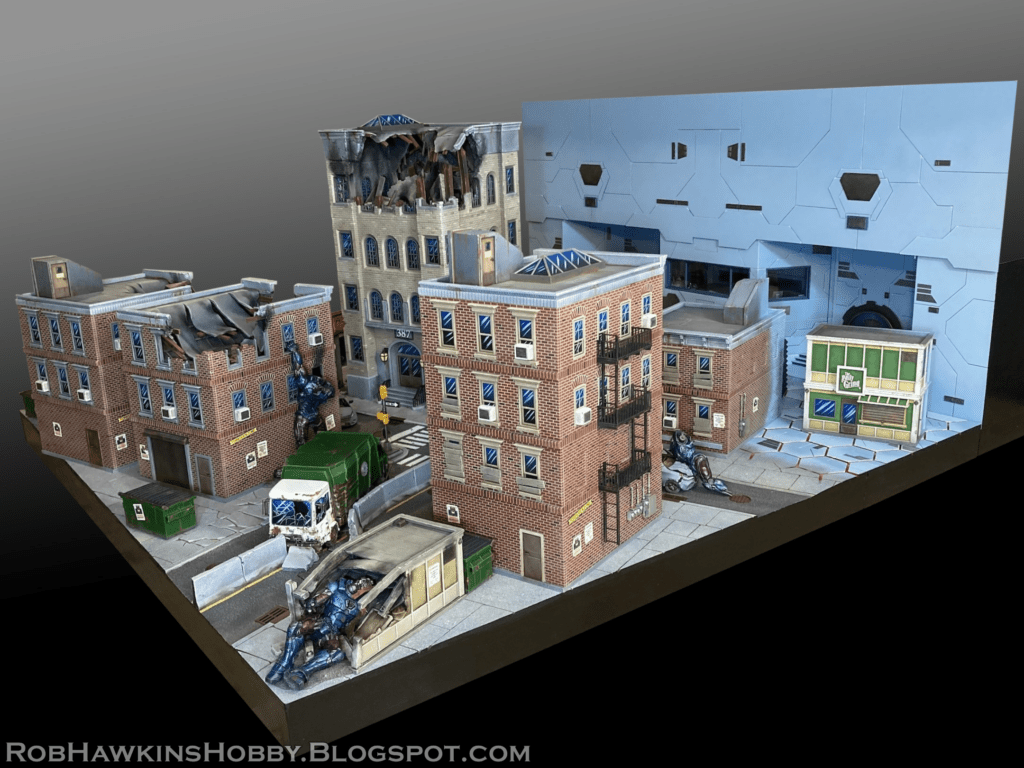
Good news! Unlike many other wargames, there’s no need to shrink the board layout—standard MCP table dimensions work perfectly for demo games. However, never underestimate visual impact when introducing someone to a game. Even if hardcore wargamers don’t mind learning on a bare kitchen table with freshly assembled plastic and upside-down cereal bowls for terrain, most beginners respond far better to a beautiful, immersive table featuring painted miniatures that tell a story. Don’t hesitate to pack the board with terrain, even if the layout would make competitive players cringe. The more immersive and impressive your table looks, the faster new players will get hooked.
Roster Building
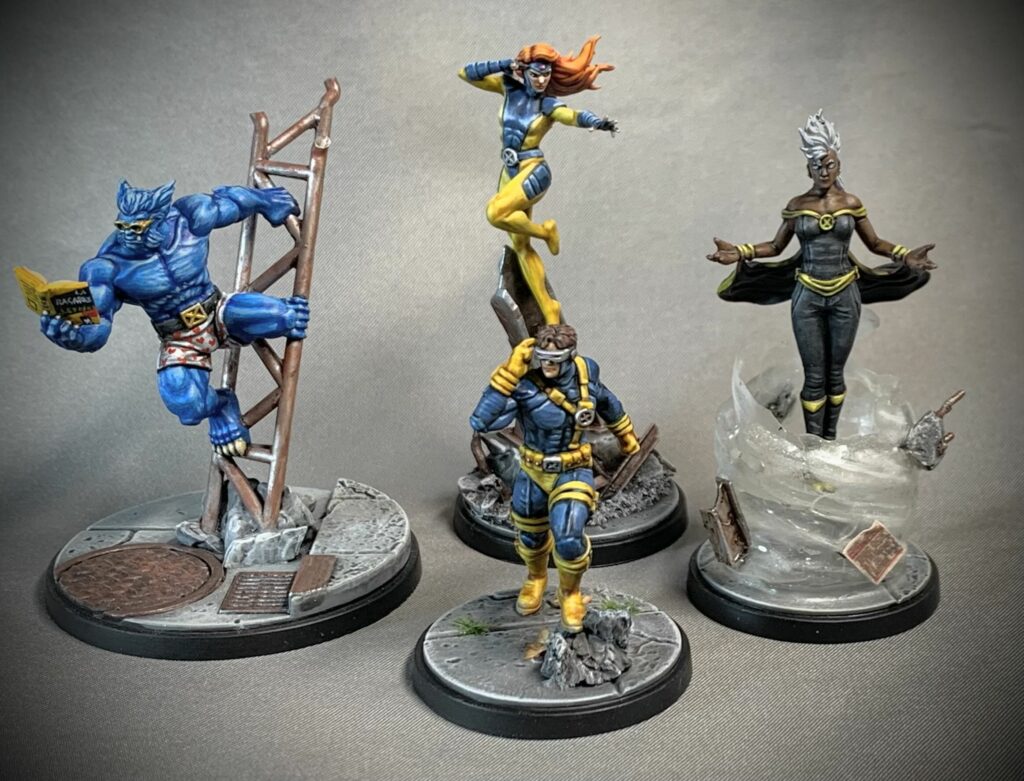
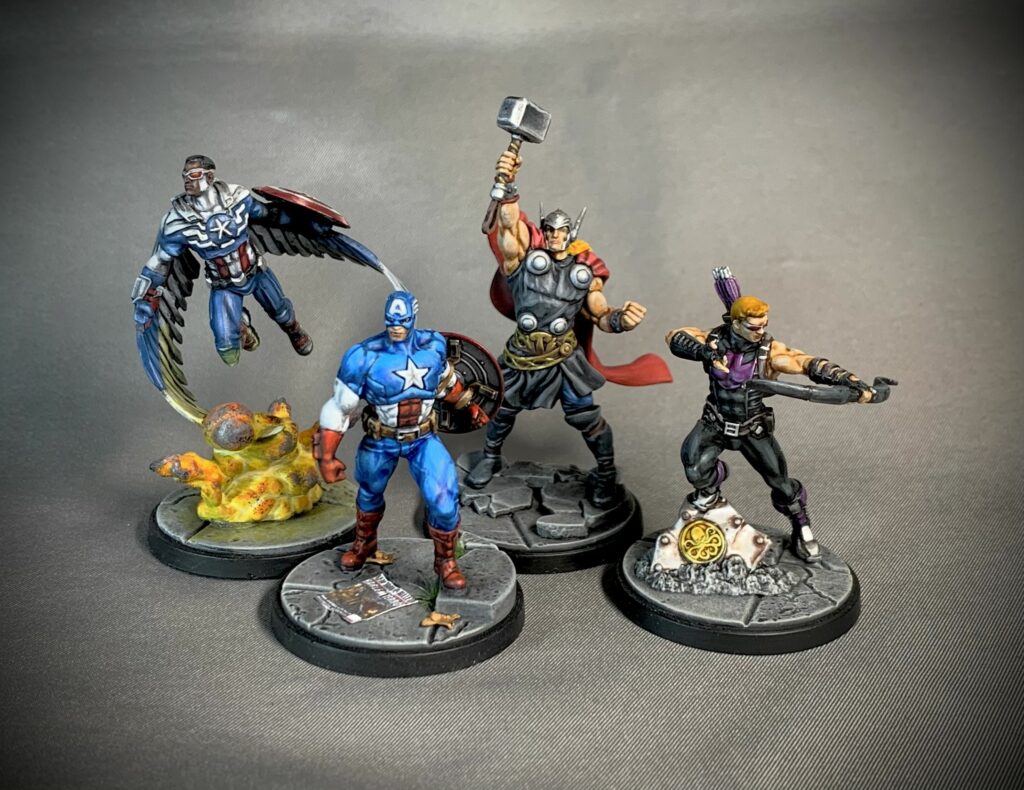
For the exact same reasons, pick two iconic rosters. Focus on characters made famous by the Marvel movies, painted to the best standard you can manage.
Threat Level: I usually run slightly longer demo games for experienced tabletop gamers, so I tend to go up to Threat 15 to give them a complete overview of the system. If you are running quick demos at conventions or open-house days, scale it down to Threat 10 or 11 to keep game times short.
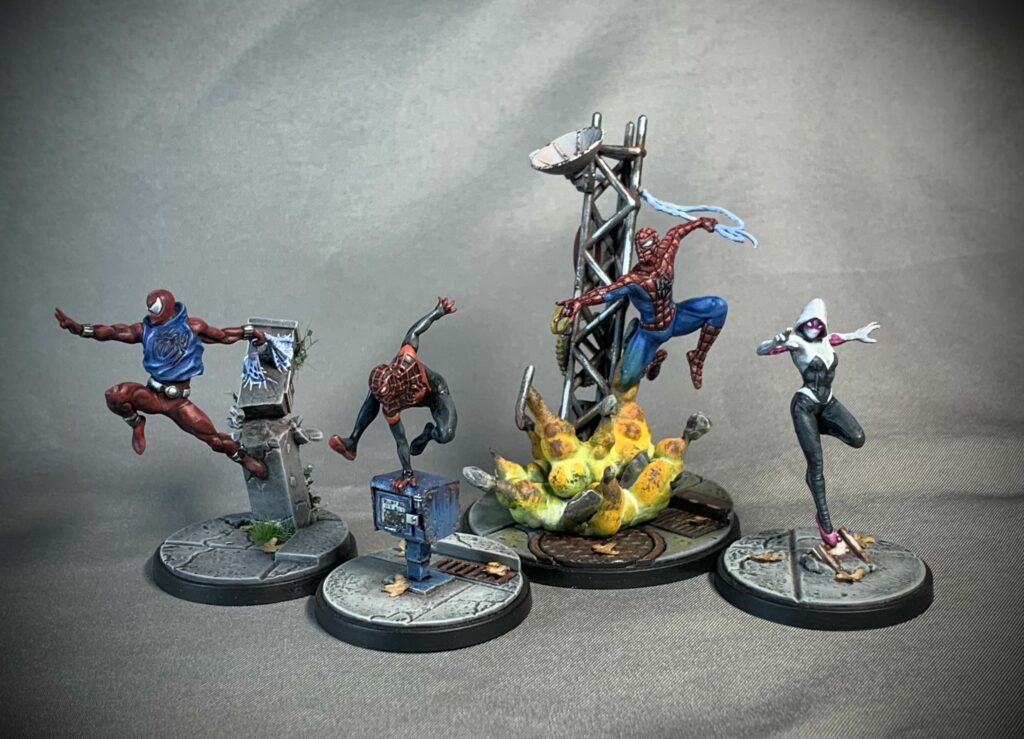
Skip the Kaijus: This might sound obvious, but it’s worth stating clearly. Bringing out fan favorites like Hulk or Magneto is tempting, but managing a Threat 6+ character without prior experience, crisis rules, or full card support leads to frustration for someone at the table. Stick strictly to Threat 3, 4, and 5 characters.
Avoid characters with gimmicky mechanics. For example, I completely ban transforming characters and models with Grunts during demo matches.
Favor straightforward Leadership abilities—ideally those printed directly on the character card rather than tied to a Tactics card.
Selecting Crises
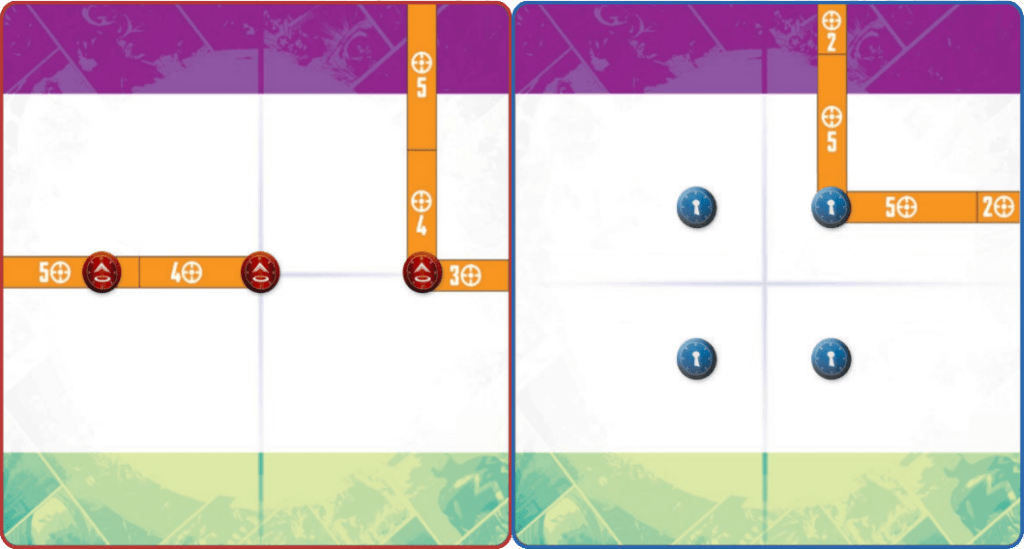
For intro games, choose crisis cards with simple objective layouts that encourage player interaction.
For Extracts, I prefer a C-shape layout (like Alien Ship Crashes in Downtown). For Secures, pick closely spaced objective tokens so players constantly weigh the choice between attacking and positioning. I recommend an S-shape layout (like Lockdown! Security Systems Stymie Breakout). Stick solely to the token positioning layout and ignore the actual crisis special rules. Feel free to adjust the setup to match your chosen Threat Level.
Tactics Cards (TTCs)
For a first game: leave TTCs out entirely! In fact, if you plan to guide a player across multiple sessions, wait 2 or 3 games before introducing Team Tactics Cards.
Extra Gaming Supplies
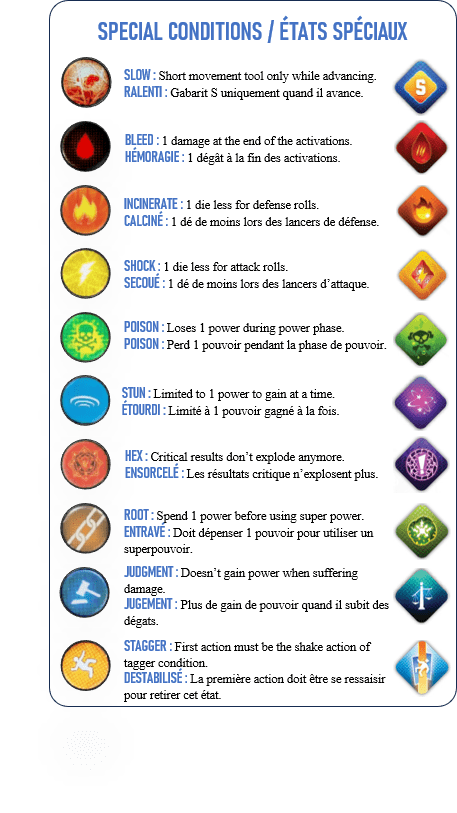
While having a dedicated set of range tools and dice for each player is convenient, it’s not strictly necessary. However, I strongly suggest providing a quick reference sheet for special conditions. You can find a great overview on Jarvis’ Protocol, or print out my personal cheat sheet sized specifically to match crisis cards.
The Pre-Game Briefing
Beyond visual appeal, another factor players subconsciously evaluate is the complexity-to-fun ratio. To set your demo up for success, keep your pre-game explanation brief. You don’t want the game to sound more complex than it actually is. You will have plenty of opportunities to introduce specific rules as the game unfolds based on board state and player familiarity.
Here is a suggested outline if you want to keep your pitch structured:
- The game uses an alternating activation system.
- Models get 2 actions per activation (Move / Attack).
- Briefly explain the custom range and movement tools (Movement vs. Ranges).
- Quick overview of the custom dice faces.
- Walk through the double-sided Character Card, focusing on base stats (top-left section) and how to read an attack stat block (type, range, dice pool, power cost).
- Explain the core resource: Power, specifically how models generate it.
Expand this outline naturally if your players ask questions or show interest in specific mechanics.
Need advice building your roster?
Join your country’s MCP Discord community and get answers to your questions.
 Join France
 Deployment Phase
Depending on player experience, either guide them through deployment or pre-deploy the models to save time. Use this moment to introduce character archetypes (“This one is fast but glass-cannon fragile,” “This one is a frontline brawler,” “This one provides support…”). This is also the perfect time to explain each squad’s Leadership ability.
Running the Match
In most first games, beginners default to brawling with whatever model is directly across from them because they haven’t grasped tactical depth yet. To keep gameplay dynamic, present active choices: “You could activate X or Y here,” or “You can attack or fall back,” followed by a quick breakdown of pros and cons.
Round 1: Encourage movement actions. This highlights the importance of scoring while introducing Terrain Size vs. Character Size, along with innate superpowers like Flight, Wall-Crawler, and Stealth.
Round 2: Guide choices toward basic attacks. This dives deeper into dice mechanics, critical triggers, and the difference between Gainer and Builder attacks. Introduce attack-triggered effects like Pushes, Throws, Conditions, and basic defensive Tech.
Round 3: Transition focus toward Superpowers and Spenders. Introduce Active vs. Reactive powers and their matching card symbols. Some veterans advocate running intro games without superpowers, but I believe superpowers give the game its signature flavor. The same goes for Leadership abilities—they are core mechanics that shouldn’t be cut unless you’re running rapid 10-minute demos for young kids at a convention.
Written by:


Support us via Maxi Reves ✨
Help us promote lesser-known miniature games and grow their communities. Order your miniatures from Maxi Rêves using the code MAXITC and be part of our mission!