
Ready to start a new miniatures game but unsure where to begin? Choose your preferences, and we’ll help you discover the games that might become your next favourite.


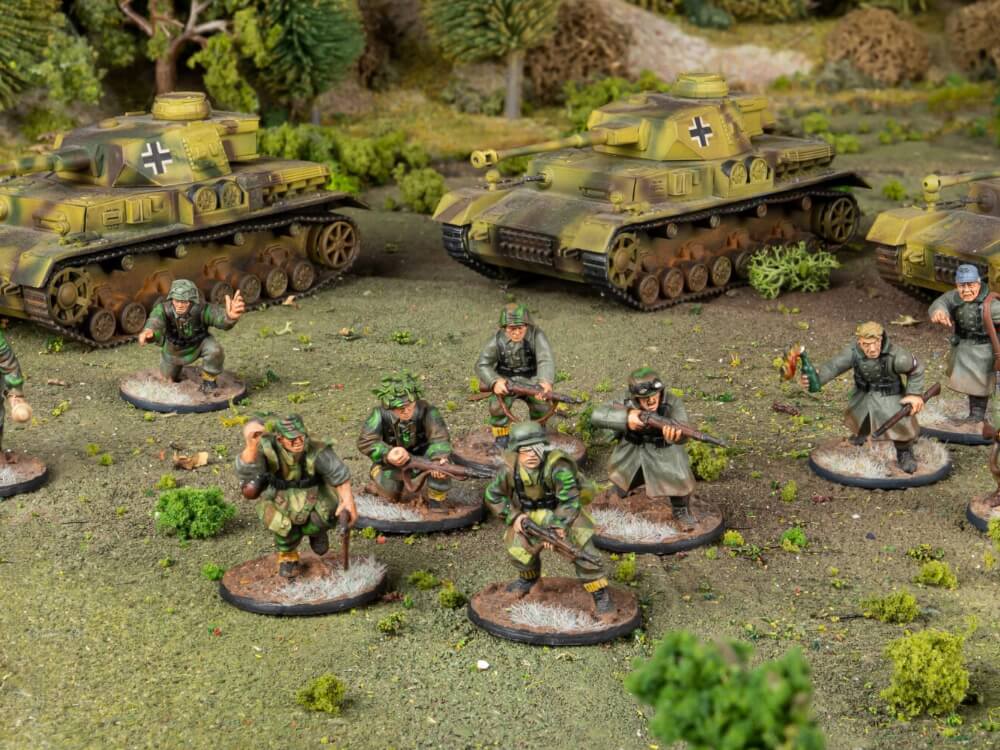
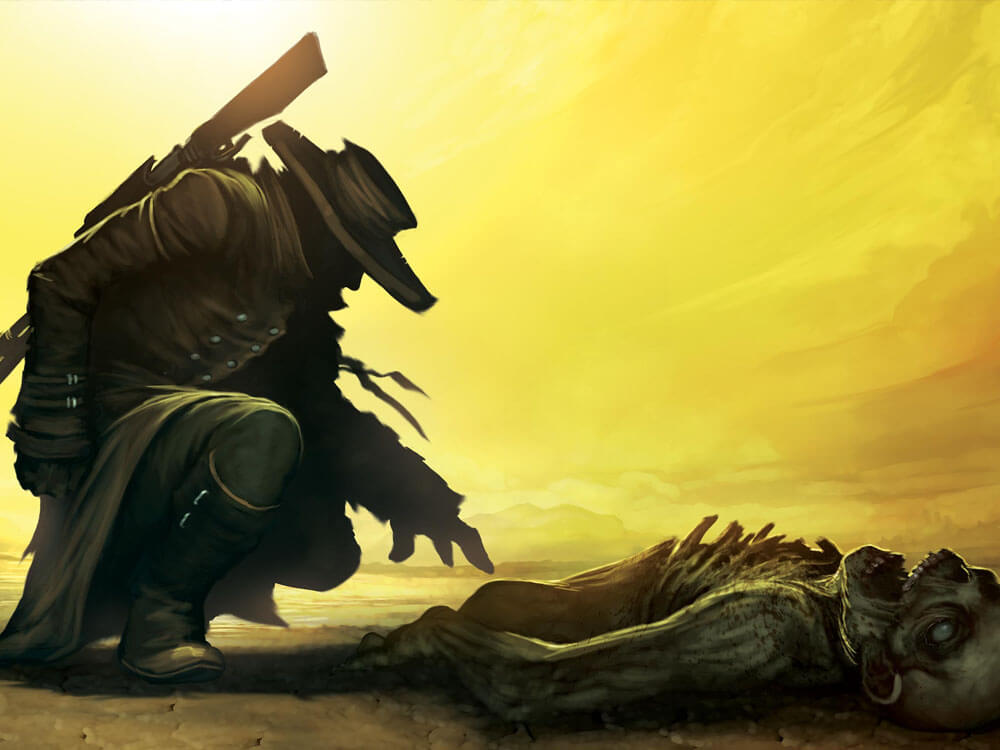
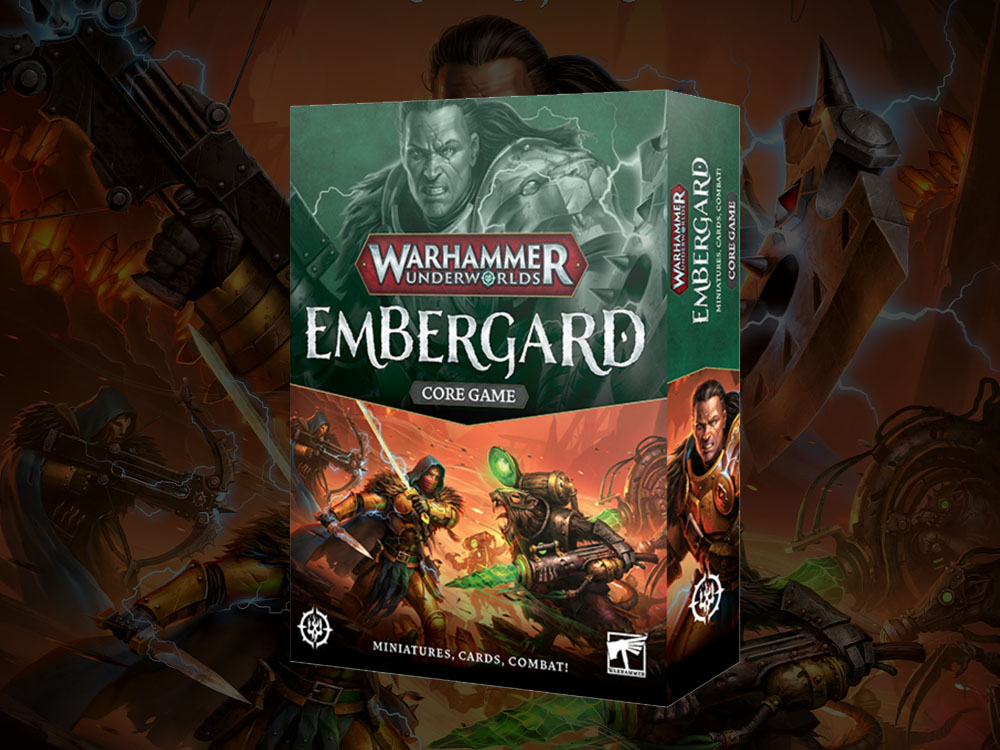
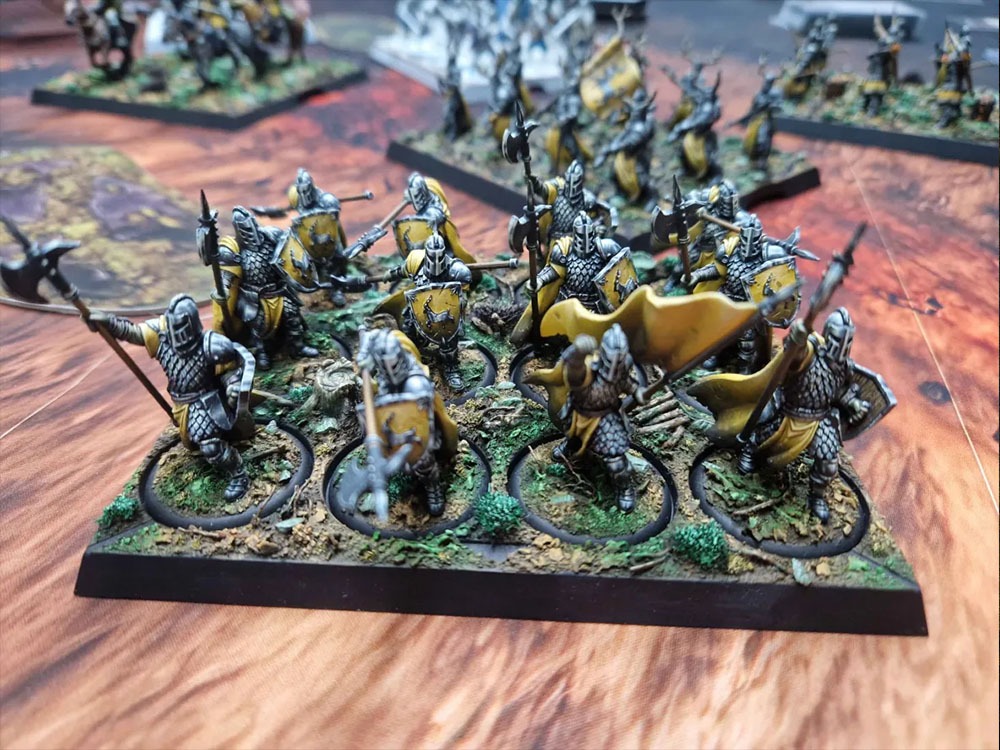
Need help refining your choices?
Below, you’ll find a few definitions to help you understand what sets different miniature games apart.
Game types
Wargame
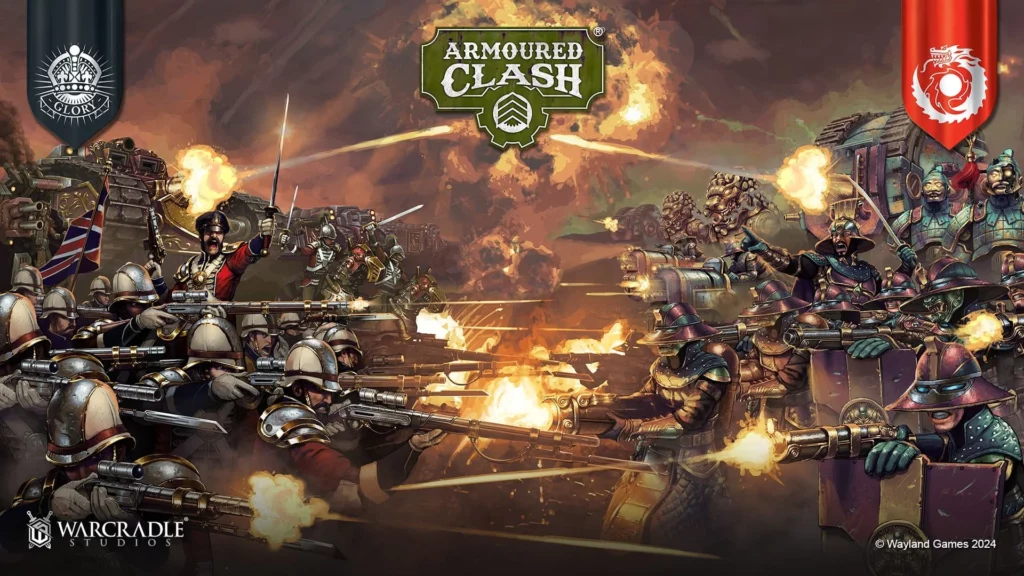
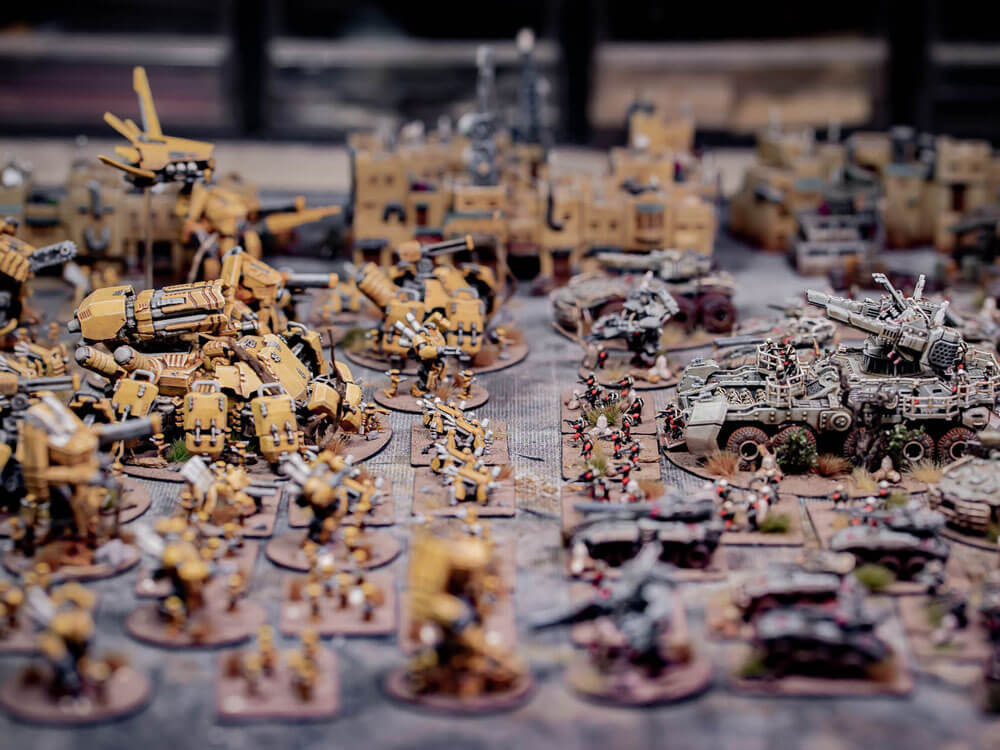
A wargame simulates large-scale military battles. Instead of controlling individuals, players command entire armies and formations.
- Scale and miniatures: Large-scale. Games often involve dozens or even hundreds of miniatures per side. Miniatures are usually grouped into “units”, “regiments”, or “squads” that move and fight together.
- Gameplay: The focus is on overall strategy, logistics, battlefield positioning, managing front lines, and handling large numbers of casualties. Line of sight and movement rules often apply to entire units rather than individual soldiers.
- Time and space: Games are usually long (often over 2 or 3 hours) and require large tables (typically around 120 x 180 cm).
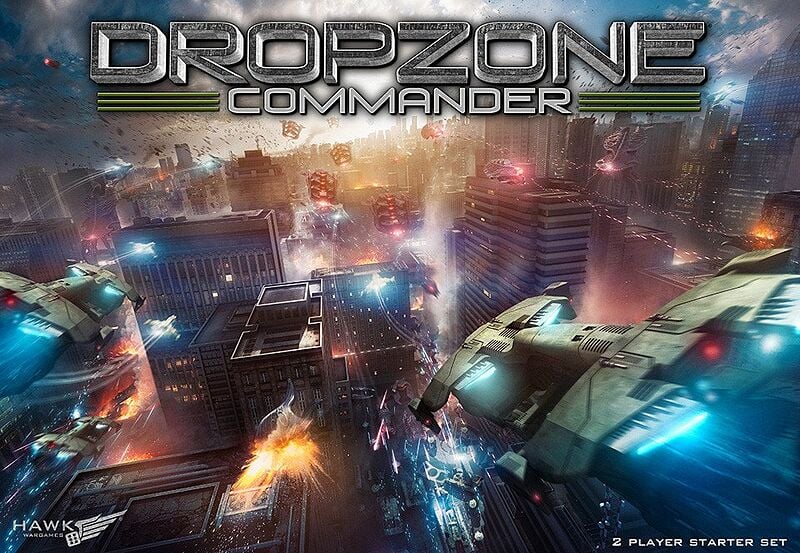
- Typical examples: Warhammer 40,000, Warhammer: The Old World, Star Wars: Legion, Bolt Action.
Skirmish game
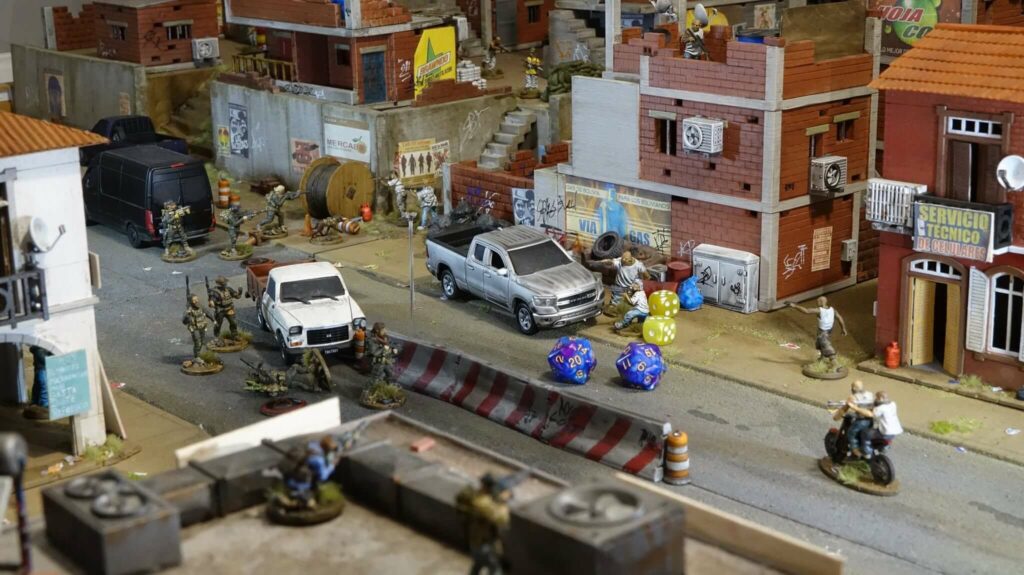
Skirmish games focus on smaller-scale tactical engagements. They are closer to a special forces mission or a clash between rival warbands.
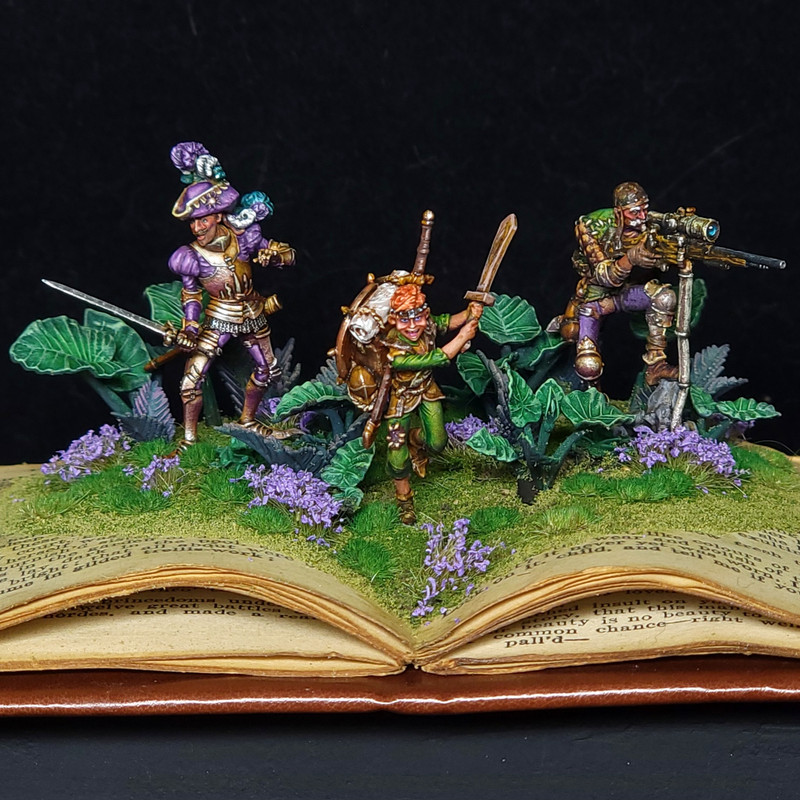
- Scale and miniatures: Medium-sized forces. Each player controls between 3 and 20 miniatures. Every miniature is unique, has its own profile, activates individually, and acts independently.
- Gameplay: Highly tactical and heavily focused on terrain. Using cover, verticality, and each character’s unique abilities is crucial. Scenarios often revolve around dynamic objectives (stealing an artifact, activating terminals, securing locations) rather than simply eliminating the opponent.
- Time and space: Games usually last between 45 minutes and 1.5 hours, played on smaller surfaces (typically around 90 x 90 cm).
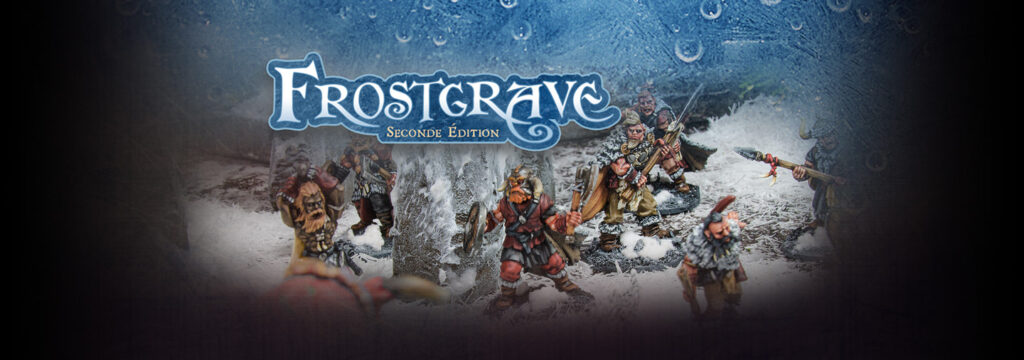
- Typical examples: Kill Team, Warcry, Infinity, Frostgrave, Malifaux.
Arena game
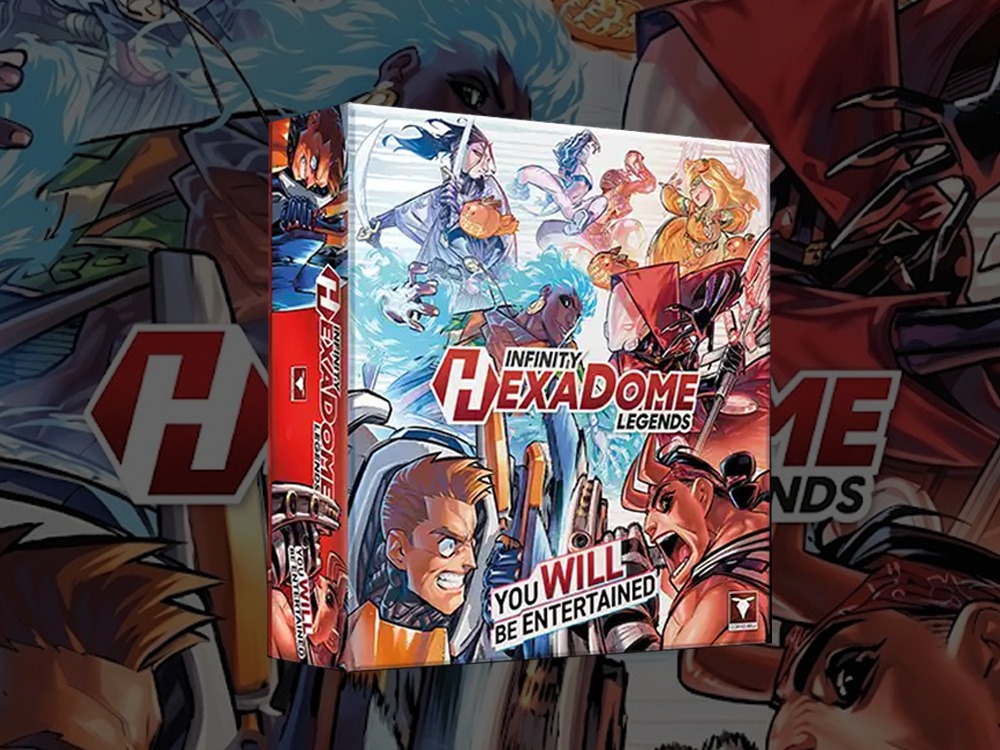
Arena games are the most streamlined and competitive type of miniatures game. Sitting somewhere between board games, miniatures games and card games, they borrow mechanics from each of these genres. Miniature sports games also often fall into this category.
- Scale & Miniatures: Small-scale games where players control a handful of miniatures battling it out in a confined arena with a clearly defined layout.
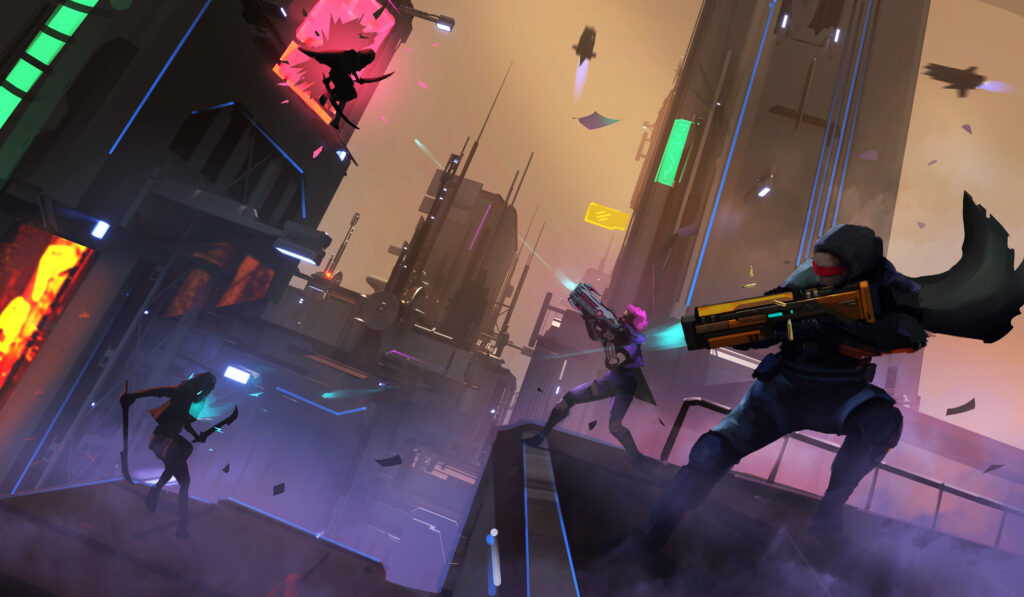
- Gameplay: Movement usually takes place on a grid or hexes, removing any ambiguity from measuring distances. The gameplay revolves around streamlined mechanics, character ability combos and, in many cases, a companion deck of cards. The arena itself features spaces with special rules that can either be exploited for an advantage (cover, bonuses) or avoided altogether (traps, hazards). Narrative plays only a minor role, often taking a back seat to the gameplay. While the game world provides flavour and context, it primarily exists to justify the competition.
- Time & Table Space: Fast-paced games lasting around 30 to 60 minutes, played on compact boards that are easy to transport.
- Typical Examples: Warhammer Underworlds, Hexadome, Rumble Slam…